
Safety in car driving: Secrets to improving driving skills in 2026
Psychological preparation for driving
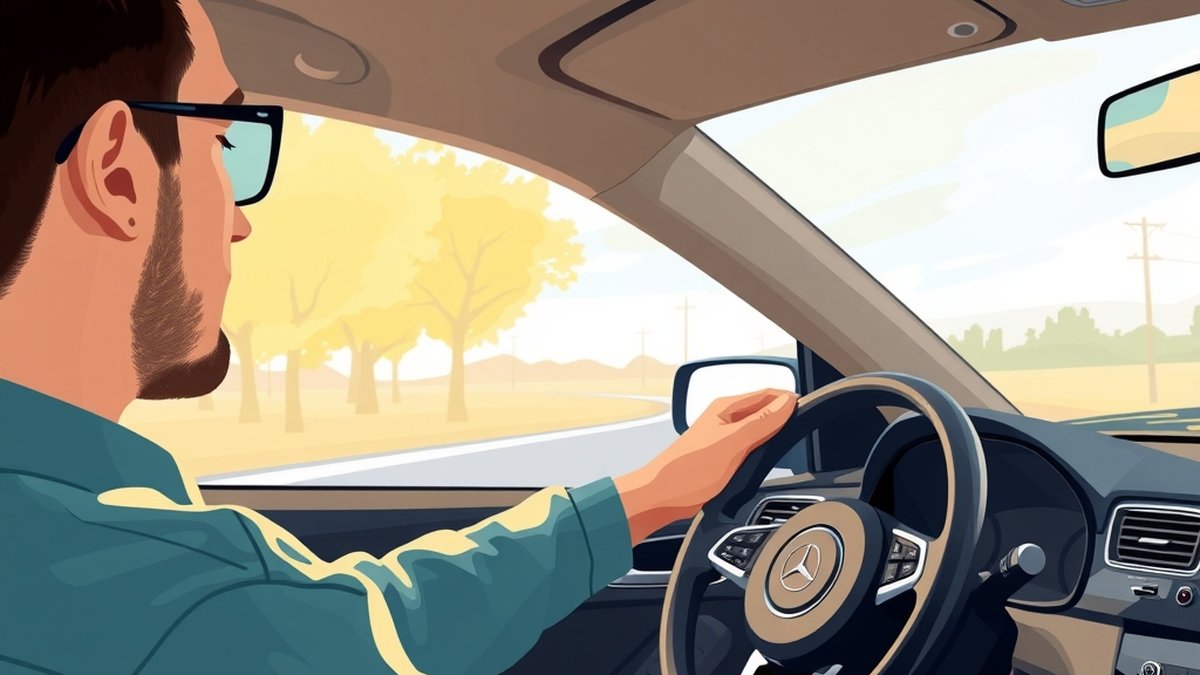
Many new drivers focus only on memorizing traffic rules, but psychological state is crucial in practical driving. In 2026 conditions, maintaining composure is paramount to avoid getting overwhelmed in heavy traffic and high-speed flows.
- Managing stress: The honking of a driver behind you should not rush you. Stay firm in your speed and direction.
- Observation: Watch not only the car in front of you but also the two or three cars ahead of it. This allows you to anticipate the braking process.
- Focus: Phones, music, or conversations with other passengers are dangerous distractions at the initial stage.
It is recommended to develop quick decision-making skills during practical training using an exam simulator.
Understanding road signs in everyday life
Signs memorized in theory are often overlooked in practice. Each sign has its own place and meaning. Especially, being able to distinguish between prohibitory signs and priority signs is the foundation of driving culture.
- Sequence of signs: Road signs do not just give you information; they warn you about upcoming dangers or changes.
- Prohibitory signs: Ignoring them can lead not only to fines but also to serious traffic accidents.
- Variable signs: On modern roads, variable speed limits are being implemented via electronic boards, which must be monitored.
You can use the interactive guides on our road signs page to remember all the signs.
Intersection crossing culture and right of way
Intersections are the busiest points of traffic. Here, mutual respect plays as important a role as the rules. Pay attention to the following aspects when driving through intersections under the new regulations introduced in 2026:
- Right of way: The vehicle coming on the main road always has priority, but for safety reasons, keep an eye on cars coming from the side.
- Stopping in an intersection: If an intersection is congested, entering it is prohibited, even if the traffic light is green.
- Pedestrian safety: Yielding to pedestrians at a pedestrian crossing is a legal obligation.
For a deeper study of the rules, regularly follow the traffic regulations section.
Identifying and preventing technical malfunctions
A car is not just a means of transport; it is also a technical device. Every driver should regularly check the technical condition of their vehicle.
| Inspection element | Frequency | Why is it necessary? |
|---|---|---|
| Tire pressure | Once a week | For fuel efficiency and braking performance |
| Engine oil | Every 7-10 thousand km | To extend engine life |
| Brake system | Every 6 months | For safe stopping |
Monitoring technical condition saves you from unexpected expenses in the future and prevents unpleasant situations on the road.
Adapting to weather conditions
Driving styles differ significantly between winter and summer seasons. The handling of a car changes during rain, snow, or strong winds.
- Slippery roads: Braking distance increases 2-3 times, so double your following distance.
- Foggy weather: Use fog lights and reduce speed to a minimum.
- Summer heat: Monitor tire pressure, as high pressure on heated asphalt can lead to tire bursts.
Modern car technologies and driver assistants
In 2026, most new cars are equipped with various Advanced Driver Assistance Systems (ADAS). While these systems increase safety, they cannot replace the driver. In many cases, drivers rely too heavily on automated systems, leading to a loss of focus.
- Automatic braking: Even if the system detects an obstacle, do not trust it completely. The system may malfunction or fail in extremely complex conditions.
- Blind spot monitors: Even if your car has a blind spot sensor, make it a habit to always look at the side mirrors and check over your shoulder before changing lanes.
- Adaptive cruise control: This system helps maintain distance, but its sensors are likely to get dirty or malfunction in rainy or snowy weather.
Smart use of technology means seeing them as an additional tool for self-control, not as a complete handover of driving.
Night driving rules and maintaining visibility
Driving at night is significantly more complex than during the day because visual information is reduced and fatigue sets in faster. Although lighting systems have improved on 2026 roads, the driver must protect their eyes and adapt to road conditions.
- Light management: Switch to low beam in time to avoid blinding the driver of an oncoming vehicle.
- Watch for signs of fatigue: If your eyes are stinging or you cannot clearly see the lane markings, stop and rest. A 15-minute break can save a life.
- Interior lighting: Dim the cabin lights to the maximum, as they reflect on the windshield and make it difficult to see outside.
It is recommended to maintain a lower speed on night roads compared to daytime, as more reaction time is needed to spot a sudden obstacle where lighting is insufficient.
Important practical tips for drivers: Error analysis
Many new drivers make the same types of mistakes on the road. The following table shows the most common errors and their solutions:
| Type of error | Consequence | Correct solution |
|---|---|---|
| Unexpected braking | Rear-end collision | Slow down in advance and maintain distance |
| Not using turn signals | Distracting other drivers | Signal at least 3-5 seconds before turning |
| Wrong lane selection | Risk of sudden maneuver | Know the route in advance and change lanes early |
Remember that experience only comes with time. Impatience and overconfidence are the greatest enemies of an inexperienced driver. Always follow the principles of defensive driving and try to anticipate every movement around you.
Frequently Asked Questions
What should I pay attention to when driving into the city for the first time as a new driver?
First of all, choose a time when traffic is lighter (e.g., 10:00 AM or 2:00 PM). Plan your route in advance and use a navigation system, making it easier to focus on road signs and your destination.
If the car shakes when braking, what is the sign of that?
This may indicate that the brake discs are warped or the brake pads are worn out. In such a case, you should immediately contact a service center to resolve the fault.
Is it enough to memorize the driving test questions?
Memorizing questions is necessary to pass the exam, but to be safe on the road, it is more important to logically understand the situational problems in the driving test tickets.


Hozirça izoh yöq.