
Choosing Real Estate: Comparing New Builds and Older Properties in 2026
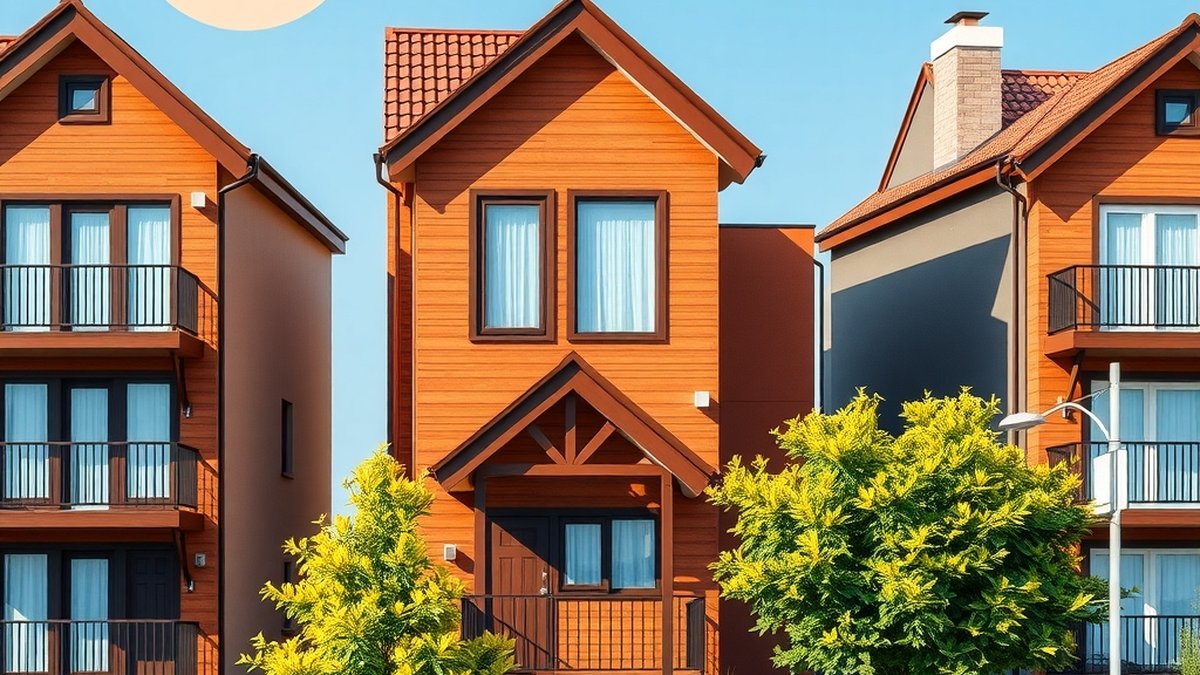
Buying a Home in 2026? Make the Right Choice by Comparing the Pros and Cons of New Developments and Older Housing Stock.
New Builds: Modernity and Convenience
In 2026, the demand for newly constructed buildings in the real estate market remains high. These properties are characterized by modern infrastructure, energy-efficient materials, and upgraded utility networks. The primary advantage of living in a new home is that you spend less time on renovations, and all communication systems are in pristine condition.
- Modern elevators and security systems (video surveillance, intercoms).
- Flexible layout options: it is easier to change the arrangement of rooms.
- A fresh environment with new neighbors and landscaped areas.
However, new builds have their own drawbacks. Often, as the building "settles," minor cracks may appear on the walls. Additionally, utility costs in new residential complexes can be higher than in older buildings because they include service fees (security, cleaning).
Older Buildings: Location and More Affordable Prices
Older buildings, especially those constructed between 1980 and 2000, are often located in central and well-developed parts of the city. Their main advantage is established infrastructure. Schools, kindergartens, and public transport stops are already in place. In terms of price, older buildings are often much more affordable than new ones.
- Ready-made infrastructure: tree-lined streets, parks, and nearby shops.
- Thicker walls: some older brick buildings outperform new panel houses in terms of heat and noise insulation.
- Simplicity of the purchase process: the property already has cadastral documents and is fully ready for occupancy.
When choosing older homes, it is essential to pay attention to the wear and tear of utility networks (water, electricity, sewage). Often, these homes require a full capital renovation, which leads to additional costs. Furthermore, the condition of elevators and entrance hallways may not always meet your expectations.
Comparison Table: New Build vs. Older Home
| Criteria | New Build | Older Building |
|---|---|---|
| Price | High | Affordable |
| Renovation | Minimal | Required |
| Infrastructure | New/Developing | Ready/Developed |
| Utilities | New | May be outdated |
Using this table, you can quickly determine which type of real estate suits you best based on your budget and priorities.
Which to Choose: Finances and Goals
When buying a home, not only the condition of the building but also your financial capabilities and goals play a significant role. If you view the property as an investment, new builds are assets with a higher probability of future appreciation. If your goal is to move in with your family in the near future, older buildings may be a more convenient choice.
Remember that before purchasing any real estate, it is crucial to review the building's technical passport and cadastral documents with a professional. For new homes, the reliability of the construction company is key, while for older homes, the legal clarity of the property owner is the primary factor.
Practical Steps and Technical Inspection for Home Buying
The real estate buying process is not limited to price and location. Especially when choosing a home in 2026, it is necessary to follow practical steps to independently assess the building's technical condition. First, examine the condition from the foundation to the roof. In new buildings, the quality of waterproofing is vital; in older buildings, roof leaks or basement dampness are the main risk factors.
Another important aspect recommended by experts is studying the building's energy efficiency. Compare how well facade cladding and windows in new homes retain heat, versus the wall thickness and whether the heating system is centralized or individual in older buildings. Below is a checklist for pre-purchase inspection:
- Electrical Grid: Check if copper wires have been installed instead of aluminum in older buildings; otherwise, fire safety will be low.
- Sanitary System: Rusted pipes or unpleasant odors in the sewage system are clear signs of building deterioration.
- Sound Insulation: Determine the wall thickness; if it is a panel house, noise from neighbors may affect your daily life.
Common Mistakes and How to Avoid Them
One of the biggest mistakes home buyers make is focusing only on the exterior appearance or renovated interiors. Sellers often mask old defects (cracks, dampness, old wiring) with visual finishing work. Therefore, when you enter the building, pay special attention to dark spots in corners or unevenness under the wallpaper.
Another common mistake is neglecting legal verification. It is risky to make a down payment without consulting an independent lawyer regarding the real estate. According to 2026 legislation, you must verify via the notary office that there are no restrictions or encumbrances (liens) on the property's cadastral documents. The following table shows potential mistakes during the purchasing process and their solutions:
| Type of Mistake | Consequence | Solution |
|---|---|---|
| Not checking documents | Property may be seized by court | Hire an independent lawyer |
| Trusting only visual appearance | Hidden renovation costs | Conduct a technical expert assessment |
| Not talking to neighbors | Unexpected noisy environment | Communicate with residents of the area |
As a final piece of advice, evaluate the "transport logistics" regarding the home's location. Often, a beautiful new building might be located too far from the city center or in an area with difficult public transport access. This increases time and fuel costs. Therefore, calculate the distance to your workplace or your children's educational institutions in advance.
Frequently Asked Questions
How much budget should be allocated for renovations in a new home?
Usually, if you buy a new home in "rough finish" (bare concrete/plaster) condition, it is recommended to set aside at least 20-30% of the total property price for interior finishing and furnishing.
Is it necessary to check utility systems in older homes?
Absolutely. In older buildings, electrical wiring and pipes are often outdated. Checking the condition of the electrical grid and plumbing with a professional technician before buying can prevent major future expenses.
Which is safer in terms of documents?
There are risks in both cases. For new homes, you must check the construction company's permits; for older homes, you must check the history of owners and whether the property is currently under any legal restrictions (arrests).
For which home are mortgage terms more favorable in 2026?
Mortgage loans are often offered under more preferential programs for newly built homes. Because banks consider new buildings to be liquid assets, the process of obtaining a loan for them may be slightly simpler.



Hozirça izoh yöq.